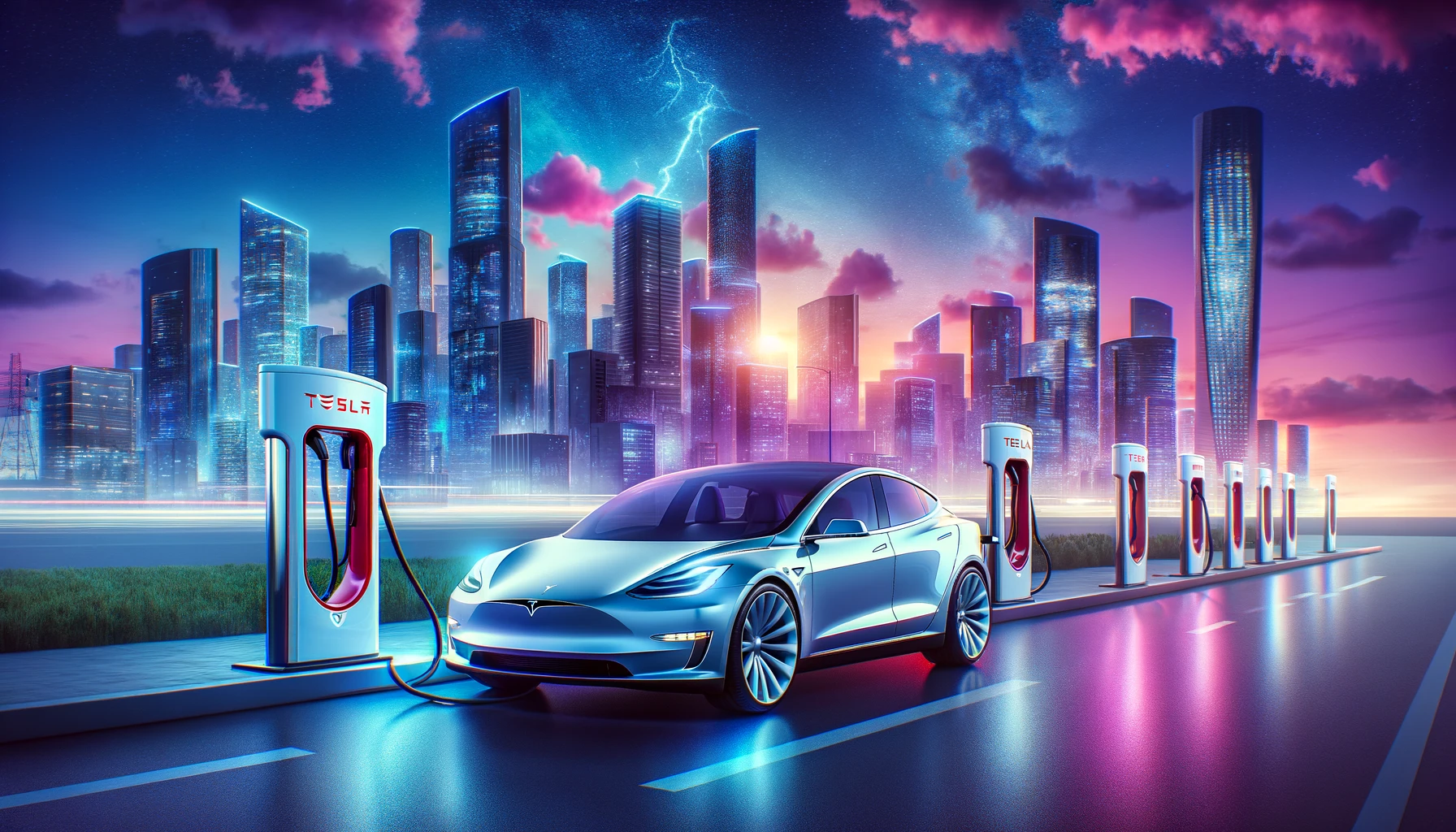
Tesla Supercharger Layoffs: What It Means for EV Charging
The electric vehicle (EV) industry, accustomed to rapid innovation and ambitious expansion, recently received a jolt that has sent ripples of concern through its core infrastructure. Elon Musk's decision to lay off virtually the entire Tesla Supercharger team, an estimated 500 employees responsible for developing, maintaining, and expanding the world's most extensive fast-charging network, has ignited widespread debate. This abrupt move, confirmed by Musk himself and former Supercharger leaders, raises critical questions about the future reliability and accessibility of EV charging, especially as more non-Tesla vehicles integrate into the network.
For years, Tesla's Supercharger network has been a significant competitive advantage, boasting 2,261 fast-charging stations and 25,491 plugs across the U.S., strategically placed along major travel corridors. Its reliability and widespread availability have been instrumental in alleviating range anxiety, a primary barrier to EV adoption. The opening of this network to other automakers, coupled with the adoption of Tesla's charging plug (now known as the North American Charging Standard, or NACS) as the industry standard, was hailed as a monumental step towards a unified EV ecosystem. Now, the sudden disbandment of the very team that made this possible has cast a shadow of uncertainty over these advancements, directly impacting the strategic direction of the broader tesla ev division and its partnerships.
The Shockwave: Supercharger Cuts and Industry Fallout
The news of the Supercharger layoffs broke with former team leaders posting on social media, expressing shock and sadness at the abrupt termination of their entire group. Lane Chaplin, a former leader in Tesla real estate acquisition for North America charging, shared on LinkedIn that the "charging organization at Tesla is no more." This confirmation from within the company echoed reports from tech news outlets and major newspapers, detailing Musk's email to managers announcing the cuts.
The timing of these layoffs is particularly perplexing. The industry was just beginning to fully embrace NACS, with nearly every major automaker selling EVs in the U.S. having signed agreements to join Tesla's Supercharger network. This represented a significant revenue opportunity for Tesla and a massive win for consumer convenience, allowing owners of various EV brands to access a single, highly reliable charging infrastructure.
Initial reactions from other automakers have been mixed. Ford, the first to sign a deal with Tesla, stated that its plans to integrate with the Supercharger network remain unchanged. General Motors, however, expressed a more cautious stance, stating, "We are continuing to monitor the situation regarding changes to the Supercharger team and the potential impacts." This disparity highlights the immediate uncertainty created by Tesla's decision, with some automakers seemingly committed to their original plans while others adopt a wait-and-see approach. The long-term implications for the tesla ev division's ability to maintain industry trust and collaboration remain to be seen.
Interoperability, Reliability, and the Future of NACS
The most immediate and pressing concern following the layoffs centers on the ongoing reliability and maintenance of the Supercharger network, especially as it integrates EVs from diverse manufacturers. Sam Abuelsamid, principal e-mobility research analyst for Guidehouse Insights, articulated these worries succinctly. He emphasized the crucial need for dedicated staff to manage the complex hardware and software integration required for seamless interoperability across different EV brands. "To do that and maintain that, you need to have a staff that can go out there and keep the hardware running, keep the software working," he noted.
Without a dedicated team, there's a significant risk that the Supercharger network's vaunted reliability could diminish. Issues such as chargers failing to communicate effectively with non-Tesla vehicles, software glitches, or hardware malfunctions could become more common and harder to resolve promptly. This could lead to frustrating experiences for EV owners, undermining confidence in the NACS standard and potentially slowing down broader EV adoption. The NACS was poised to become a universal standard, but its future strength is intrinsically linked to the perceived robustness and support of the network it represents. For an in-depth look at these specific concerns, read more on Musk's Supercharger Cuts: Threat to EV Network Reliability?
Maintaining a vast network of fast chargers isn't just about initial installation; it's an ongoing, labor-intensive process that includes routine maintenance, repairs, upgrades, and real-time troubleshooting. The elimination of the team responsible for these critical functions introduces a substantial unknown into the operational continuity of the Supercharger network. This decision by the tesla ev division leadership could inadvertently create a bottleneck in the very infrastructure designed to accelerate EV adoption.
The Broader EV Charging Landscape: A Shifting Paradigm
Musk's rationale for the drastic cuts likely stems from a desire to streamline operations and restore profit margins, which have been under pressure as EV sales growth has slowed. The Supercharger network, despite its strategic importance, may have been perceived as a significant cost center, with high expenses for electricity, installation of new chargers, and ongoing maintenance. In an environment where the tesla ev division is facing increased competition and market pressures, cost-cutting measures, even drastic ones, are often considered.
However, this move also arrives at a time when other major automakers are actively investing in their own charging infrastructure. Companies like Honda, Volvo, Mercedes-Benz, and GM have all announced plans to establish or expand their proprietary charging networks. Honda, for instance, recently revealed plans to create a standalone EV business unit and is investigating establishing its own charging network akin to Tesla's Superchargers. Honda CEO Toshihiro Mibe underscored this need, stating, "The charging infrastructure is not at a place that it needs to be for our customers." This trend highlights a broader industry recognition that a robust, reliable charging ecosystem is paramount for customer satisfaction and sustained growth. For more details on this, see Honda's EV Division & Charging Plans Emerge Post-Tesla Cuts.
Tesla's decision could, paradoxically, accelerate this trend of diversification in charging networks. While NACS aimed for a unified standard, a potential decline in Supercharger reliability or expansion could prompt other automakers to redouble their efforts in building out their own brand-specific or collaborative networks. This could lead to a more fragmented, albeit potentially more resilient, charging landscape in the long run, with multiple strong players ensuring redundancy.
Navigating the New Era: Tips for EV Owners and Industry Outlook
For current and prospective EV owners, the Supercharger layoffs introduce an element of uncertainty into their charging routines. Here are some practical tips to navigate this evolving landscape:
- Diversify Your Charging Options: Relying solely on one charging network, even a formerly dominant one, may become risky. Prioritize home charging solutions, explore workplace charging, and familiarize yourself with various public charging networks (e.g., Electrify America, EVgo, ChargePoint).
- Plan Ahead with Apps: Utilize charging apps like PlugShare, A Better Routeplanner, or the apps specific to your vehicle and charging networks. These tools provide real-time information on charger availability, status, and power levels, allowing you to plan routes and identify alternative charging spots.
- Be Prepared for Downtime: While hopefully not widespread, be aware that some Superchargers might experience longer periods of maintenance or offline status. Always have a backup charging plan, especially for long journeys.
- Understand Your Vehicle's Capabilities: Know your EV's charging speed and compatibility with different charger types (Level 2 AC, DC Fast Chargers, NACS vs. CCS).
From an industry perspective, these layoffs might force a re-evaluation of dependencies and accelerate innovation in third-party charging solutions. Government initiatives and investments in charging infrastructure will become even more critical to ensure that the overall network continues to grow and improve, irrespective of individual automaker strategies. The long-term success of the tesla ev division, and indeed the entire EV market, hinges on a charging experience that is consistently reliable and widely accessible.
Conclusion
The Tesla Supercharger layoffs mark a significant turning point for the EV industry. While Tesla's Supercharger network has been a pioneer and a beacon of reliability, the disbandment of its dedicated team injects a substantial degree of uncertainty into the future of EV charging, particularly regarding interoperability and ongoing maintenance. This move reflects Tesla's drive to cut costs amidst a shifting market, but it also underscores the critical need for a robust and diversified charging infrastructure built on collaboration and resilience.
As other automakers double down on their own charging initiatives and the industry adapts to these changes, the focus remains clear: a reliable, ubiquitous, and seamless charging experience is non-negotiable for the mass adoption of electric vehicles. The challenge now lies in ensuring that the foundation laid by Tesla, particularly the NACS standard, continues to evolve and thrive through collective effort and innovation, even if its original architects are no longer at the helm.