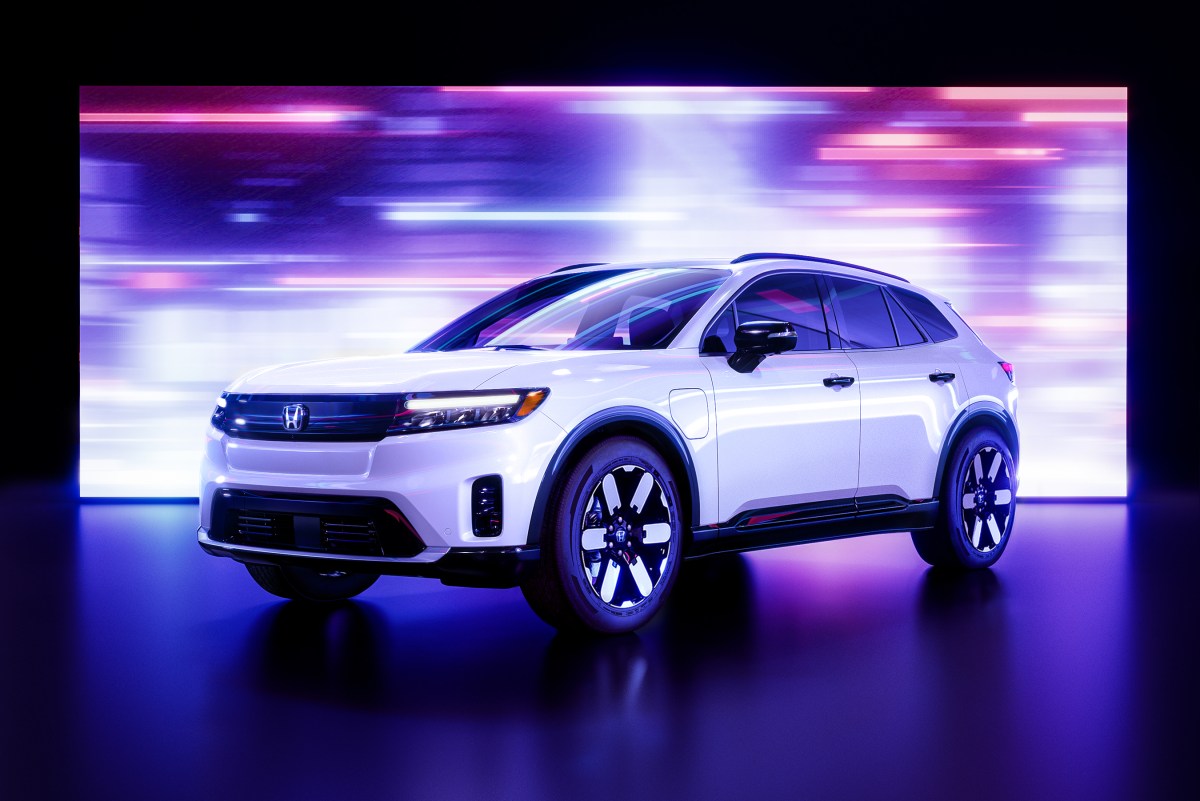
The electric vehicle (EV) landscape is experiencing a seismic shift, with recent developments from two major players sending ripples through the auto industry. Just as concerns mount over the future reliability and accessibility of Tesla's once-dominant Supercharger network following significant layoffs within its charging division, Honda has strategically announced plans to establish a standalone EV business unit and explore creating its own dedicated charging infrastructure. This contrasting approach highlights the evolving strategies automakers are employing to secure their footing in the rapidly accelerating EV market.
The Shifting Sands of EV Charging: Tesla's Supercharger Dilemma
The automotive world was recently rattled by news that Elon Musk's Tesla initiated a widespread layoff of its EV charging department. Reports from internal sources and former employees, including Lane Chaplin, a former leader of Tesla's real estate acquisition for charging in North America, indicated that the entire Supercharger team, estimated to be around 500 individuals, was disbanded. Musk himself seemed to confirm the drastic move on X, the social media platform he owns, leaving many in the industry to ponder the implications.
This decision arrived at a particularly sensitive juncture. Tesla's Supercharger network has long been lauded as the gold standard for EV charging, boasting the most plugs (25,491 across 2,261 fast-charging stations) and strategically located stations nationwide, according to the Department of Energy. Its ubiquity and reliability were instrumental in assuaging early EV adopters' range anxiety. More recently, Tesla had opened its network to EVs from other automakers, a move seen as a major victory for the industry and a potential revenue stream for Tesla. Furthermore, the industry had widely adopted Tesla's North American Charging Standard (NACS) plug, solidifying its position as the de facto standard.
However, the sudden removal of the team responsible for managing, maintaining, and expanding this critical infrastructure has sparked significant unease. Automakers like Ford, the first to sign up for Supercharger access, maintain that their plans remain unchanged. General Motors, on the other hand, adopted a more cautious tone, stating, "We are continuing to monitor the situation regarding changes to the Supercharger team and the potential impacts."
Industry experts like Sam Abuelsamid, principal e-mobility research analyst for Guidehouse Insights, found Musk's decision "puzzling." He highlighted the inherent risks: "To do that and maintain that, you need to have a staff that can go out there and keep the hardware running, keep the software working." The concern is that without dedicated personnel, the network's reliability could plummet, potentially causing difficulties for non-Tesla EVs in communicating with and charging effectively at Supercharger stations. The implications for the broader EV ecosystem are substantial, as discussed in our related article: Tesla Supercharger Layoffs: What It Means for EV Charging. Analysts suggest Musk's motivation might stem from a perception that the Supercharger network, despite its widespread adoption, was a "money-loser," leading to cost-cutting measures aimed at restoring profit margins amid slowing EV sales. This development raises serious questions about the network's future robustness, an issue explored further in Musk's Supercharger Cuts: Threat to EV Network Reliability?
Honda Accelerates EV Ambitions with a Dedicated Division
In stark contrast to the challenges facing the Tesla EV division's charging infrastructure, Honda is doubling down on its electric future. Toshihiro Mibe, Honda's CEO, announced the automaker's intent to establish a standalone business unit next month, specifically dedicated to managing all EV-related efforts. This strategic move encompasses crucial areas such as battery development, production, and the overarching EV strategy, signaling Honda's unwavering commitment to the electric revolution.
Creating a dedicated EV division underscores Honda's understanding that the transition to electric vehicles requires a holistic and focused approach. By centralizing these critical functions, Honda aims to streamline development processes, accelerate innovation, and ensure seamless integration across its future EV lineup. This isn't just about building electric cars; it's about engineering an entire ecosystem that supports them, from the power source (batteries) to the manufacturing process, and critically, the charging experience.
This proactive step by Honda provides a clear counter-narrative to the turbulence surrounding Tesla. While one pioneer of the EV movement scales back infrastructure support, another established automotive giant is investing heavily in a dedicated organizational structure designed to foster growth and stability in its EV ventures. It's a testament to the belief that long-term success in the EV market requires significant, sustained internal investment and a clear strategic vision.
Charting a New Course: Honda's Independent Charging Network Vision
Perhaps the most significant element of Honda's emerging strategy, especially in light of the Tesla Supercharger layoffs, is its investigation into establishing its own network of charging stations. CEO Mibe explicitly stated that Honda is exploring a network "similar to Tesla's Supercharger network," among other new business opportunities. This decision is rooted in a fundamental observation: "The charging infrastructure is not at a place that it needs to be for our customers.”
Honda's contemplation of an independent charging network reflects a broader trend among major automakers. Volvo, Mercedes-Benz, and GM have all announced similar plans in recent months, recognizing the critical role that a reliable and accessible charging infrastructure plays in consumer adoption. The impetus behind these initiatives is clear: while third-party networks exist, having proprietary control allows automakers to:
- Ensure Quality and Reliability: Maintain direct control over the charging experience, ensuring stations are consistently functional, well-maintained, and user-friendly for their customers.
- Strategic Placement: Develop networks tailored to their customers' travel patterns and needs, potentially filling gaps left by existing networks or optimizing for specific vehicle ranges.
- Brand Loyalty and Experience: Offer a seamless, integrated charging solution that enhances the overall ownership experience, fostering brand loyalty.
- Reduce Dependency: Lessen reliance on external providers, particularly important given the recent uncertainties surrounding the dominant Tesla EV division's charging operations.
- Future-Proofing: Design infrastructure that can evolve with future battery technologies and faster charging capabilities.
Building a proprietary charging network is a colossal undertaking, requiring substantial capital investment, real estate acquisition, and ongoing operational costs. However, for automakers like Honda, it represents a crucial strategic play to differentiate themselves and guarantee a superior customer experience in a competitive EV market. It's an acknowledgment that the vehicle itself is only part of the equation; the entire ecosystem, especially charging, must be robust and reliable.
Why a Holistic Approach Matters for EV Success
The contrasting strategies of Tesla and Honda underscore a fundamental truth about the electric vehicle transition: success hinges on more than just producing compelling EVs. A holistic ecosystem that integrates vehicle design, battery technology, and, crucially, a reliable and accessible charging infrastructure is paramount for widespread consumer adoption.
For consumers, this industry shift has significant implications. The recent events at Tesla highlight the potential vulnerabilities of relying heavily on a single provider for a critical service. Honda's move, alongside other automakers planning their own networks, signals a diversification that could ultimately benefit consumers by increasing competition, improving service quality, and expanding charging options. However, it also means that potential EV buyers will need to consider the robustness of a brand's entire ecosystem, not just the vehicle itself, when making purchasing decisions.
Practical tips for navigating this evolving landscape include:
- Research Charging Networks: Understand which charging networks are most prevalent in your frequent travel areas and what agreements your desired EV brand has with them.
- Consider Home Charging: Invest in a home charging solution, as it remains the most convenient and cost-effective way to power your EV for daily use.
- Stay Informed: Keep abreast of developments in charging technology and infrastructure, as the landscape is dynamic.
- Evaluate Manufacturer Commitments: Look for automakers that demonstrate a clear, long-term commitment to supporting their EVs with comprehensive charging solutions, whether through partnerships or proprietary networks.
The creation of Honda's dedicated EV division and its exploration of an independent charging network serve as a powerful testament to the idea that control over the entire EV value chain, especially charging, is becoming a strategic imperative for established automakers aiming for leadership in the electric era. As the industry matures, the ability to offer a complete, reliable, and seamless EV experience will increasingly determine market leaders.
In conclusion, the divergent paths taken by Tesla and Honda illuminate the current state of flux within the EV industry. While Tesla grapples with the fallout from its charging division layoffs, raising questions about the future reliability of its Supercharger network, Honda is forging ahead with a comprehensive strategy. By establishing a dedicated EV business unit and actively investigating its own charging network, Honda is demonstrating a commitment to controlling its electric destiny and ensuring a robust ecosystem for its customers. This shift from reliance on a single dominant network to a diversified and brand-centric approach signals a maturing EV market where integrated solutions and assured infrastructure will be key to winning over the next wave of electric vehicle owners.